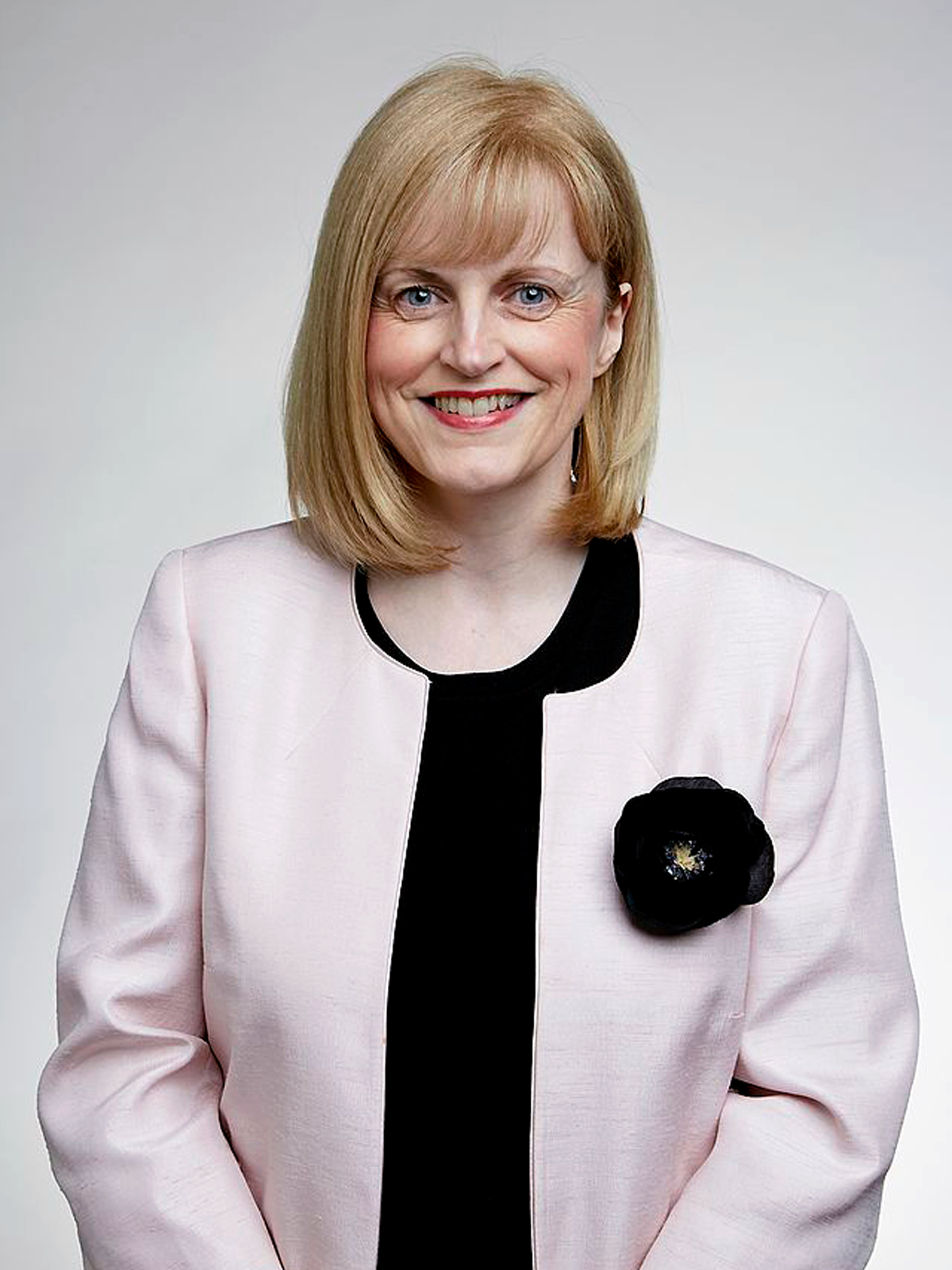
Eleanor Maguire died on January 4, 2025. Here is the beginning of her obituary, written by Calli McMurray, in The Transmitter:
Remembering Eleanor Maguire, ‘trailblazer’ of human memory
Maguire, mastermind of the famous London taxi-driver study, broadened the field and championed the importance of spatial representations in memory.
By Calli McMurray 10 January 2025
One night in 1995, while watching TV, cognitive neuroscientist Eleanor Maguire got an idea for a new experiment. She was watching a made-for-TV movie called “The Knowledge,” which follows a group of men studying for the London taxi-driver examination—a grueling, years-long endeavor that involves memorizing every street in London.
“She realized immediately that these were rather special people who had very extreme abilities at navigation,” recalls Chris Frith, emeritus professor of neuropsychology at University College London (UCL) and Maguire’s postdoctoral fellowship supervisor at the time, and she wanted to find out if those abilities were reflected in their brain structure.
As it turned out, taxi drivers have larger posterior hippocampi than do controls who do not drive taxis, Maguire reported in a 2000 paper, and the longer their career, the greater the volume. It was one of the first demonstrations that experience changes brain structure in adulthood; it garnered media attention around the world and landed Maguire an Ig Nobel Prize in 2003.
It also earned her the admiration of taxi drivers. On the way to the Ig Nobel Prize award ceremony in Cambridge, Massachusetts, Maguire, who was professor of cognitive neuroscience at UCL, chatted with her taxi driver about her work. He gave her half off the fare “for showing that taxi drivers are special,” Maguire shared in her acceptance speech.
Although the taxi-driver study was her most famous work, she was also a “trailblazer” for the cognitive neuroscience of memory, says Felipe De Brigard, associate professor of philosophy and of psychology and neuroscience at Duke University. “There are things that we can do and possibilities that were opened to us in researching autobiographical memory, thanks to her.” …
A few months ago, Maguire gave an interview to Catriona Clarke of Nature magazine, about her experience of winning an Ig Nobel Prize and about how that affected her career. Here is the beginning of that report (which also includes interviews with other Ig Nobel Prize winners):
Eleanor Maguire wasn’t too thrilled when she was first offered an Ig Nobel Prize. The neuroscientist at University College London was being honoured for her study showing that London taxi drivers have larger hippocampi in their brains than do people in other professions . But she worried that accepting the prize would be a disaster for her career. So, she quietly turned it down.
Three years later, the prize’s founder, Marc Abrahams, contacted Maguire again with the same offer. This time, she knew more about the satirical award that bills itself as honouring achievements that “make people laugh, then think”. She decided to accept. On the way to the ceremony, her taxi driver was so delighted to learn about his enlarged hippocampus that he refused to accept a fee from her.
Maguire credits the prize with bringing more attention to her work. “It was useful for my career because people wanted to talk about it,” she says, adding that “it was on the front pages of newspapers when it came out and struck a chord with people.”
As one measure of the Ig Nobel’s impact, Maguire says that she was once introduced as “the most famous member” of a panel that happened to also include three Nobel laureates. “There were only questions about taxi drivers, and not anything to the Nobel laureates there.”
[NOTE: A meaningless, sad oddity of history. On that same day, January 4, 2025, Karen Pryor, another trailblazer of human thought and behavior, who also was an Ig Nobel Prize winner, died.]
UPDATE January 15, 2025: University College London’s “Tribute to pioneering cognitive neuroscientist Professor Eleanor Maguire“.
UPDATE: February 3, 2025: The Times of London obituary: “Eleanor Maguire obituary: prizewinning neuropsychologist in taxi study“.