


It is possible to waste waste. Leaders of one nation’s government are taking forcible, self-trumpeted actions that will lead to wasting a whole lot of waste. Very special waste, that has been painstakingly gathered, preserved, and studied by the biomedical research community.
This waste waste is potentially:
- a triumph for disease
- a point of pride for these particular government leaders
- inspiration for many metaphors
Details of the Waste Waste
The MassLive web site reports the situation, on June 10, 2025:
Trump cuts threaten ‘irreplaceable’ Harvard stockpile of human feces, urine
Kept frozen by liquid nitrogen inside laboratories at Harvard University are more than 1.5 million biospecimens that have mere “weeks” left until they spoil. As Harvard fights the Trump administration in court over the suspension of nearly $3 billion in federal funding, soon there won’t be enough money left to keep the freezers running….


The New York Times reported, on May 27, 2025:
Trump Intends to Cancel All Federal Funds Directed at Harvard
A letter to federal agencies will instruct them to end contracts, totaling about $100 million. It is meant to sever the government’s remaining ties with Harvard.
BACKGROUND: ABOUT BIOLOGICAL WASTE PRODUCTS
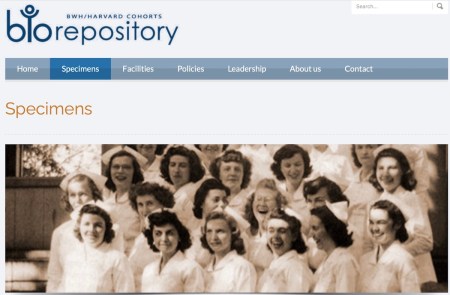
Many scientists study biological waste products to gain a better understanding of how to treat — and maybe, maybe even cure — many medical ailments. The BWH/Harvard Cohorts Biorepository — the subject of this news story — has one of the largest collections of this smelly, stinky, extremely valuable commodity. The biorepository’s web site explains:
The BWH/Harvard Cohorts Biorepository houses more than 3.2 million biological specimens from more than 200,000 participants in several prestigious cohort studies:
Sample types include plasma, white blood cells, red blood cells, whole blood, urine, DNA, toenails, hair, stool, saliva, archival tumor tissue, and mammography images.
These samples are an extremely valuable and finite resource. The goal of the Biorepository is to maximize the use of samples in ways that are cost-effective, ethical, and state-of-the-art.